Platform boots once came with a fairly narrow set of associations. They belonged to goth clubs, punk gigs, alternative festivals and the wardrobes of people who wanted their footwear to be noticed. Those connections still matter, but the boots are now appearing with much simpler clothes. Straight jeans, oversized knitwear, long coats and plain skirts give a heavy sole room to work outside a full subcultural outfit.
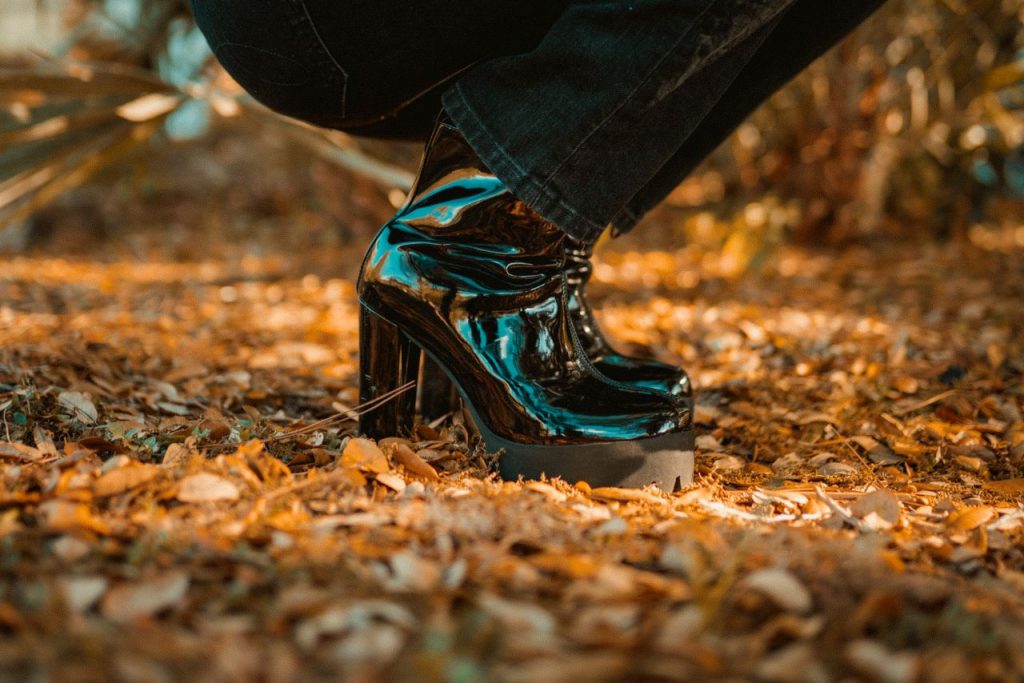
The change makes sense. Modern wardrobes often depend on relaxed shapes, and a substantial boot balances them better than a delicate shoe. A platform also lifts the hem of wide trousers away from wet pavements, which is useful during a British winter. The result can be practical and expressive at the same time, provided the wearer chooses a shape they can genuinely walk in.
The Sole Changes the Proportions of an Ordinary Outfit
A thick sole adds visual weight at ground level. This can make wide-leg jeans hang more cleanly and stop an oversized jacket from making the feet look disproportionately small. With a shorter skirt or dress, the same boot creates contrast and gives the outfit a firmer base. The effect comes from proportion rather than decoration.
Collections of new rocks boots include several types of platforms, from high Tower and Reactor shapes to cleaner ankle boots. TruClothing also carries biker, military, Western and lower-cut New Rock footwear. Looking at the sole, shaft height and fastening separately is more useful than treating every chunky black boot as the same style.
Someone new to platforms may find a lower sole easier to introduce into regular outfits. A tall platform with prominent metal hardware makes a stronger statement and needs more room around the trouser hem. Neither choice is automatically more wearable. The right one depends on how much attention the wearer wants the footwear to carry.
Simple clothes let the boots provide the detail
Platform boots already have a strong outline, so the rest of the outfit does not need to compete. Black straight-leg jeans and a plain knit create an easy starting point. A cropped jacket can expose more of the boot, while a long wool coat repeats its vertical line. The combination feels deliberate without requiring studs, chains or band graphics elsewhere.
Blue denim can make alternative footwear feel more casual. Faded loose jeans work particularly well with black leather because the contrast separates the boot from the trouser. The hem should fall over the top without catching on buckles or bunching around the ankle. If the boot has a detailed shaft, a shorter or turned-up hem may display it more clearly.
For dresses and skirts, opaque tights can connect a black boot to the rest of the outfit. A knitted dress softens metal details, while a simple mini skirt leaves the shape of a knee-high boot visible. There is no need to make every item equally dramatic. One strong piece usually gives the outfit enough direction.
Alternative footwear is not limited by gender
Many New Rock designs are sold as unisex, which reflects how alternative fashion is commonly worn. The practical issue is not the label but the fit, particularly around width, instep and calf. Buyers should use the measurements and size information for the individual model rather than relying only on the size they wear in trainers.
Styling can be equally flexible. The same platform ankle boot might sit beneath men’s loose tailoring, women’s wide-leg jeans or a long unisex coat. A Western-influenced pair can work with dark denim without becoming a complete cowboy look. Military shapes can replace an ordinary lace-up boot beneath cargos or workwear trousers.
This flexibility is one reason statement footwear earns regular use. A boot does not need a special event if it fits the clothes already in the wardrobe. It can change the mood of familiar outfits without requiring a separate collection of alternative clothing.
Comfort begins with the correct model and fit
Platform height is visible, but weight and flexibility are just as important. A heavy sole may feel stable yet tiring over a full day. A stiff new leather upper can also need time to soften. Wear new boots for shorter periods at home and locally before relying on them for a long event or journey.
Check that the heel remains secure when walking and that the toes are not pushed against the front on a slope. Fasten laces and buckles consistently when judging the fit. If a zip closes only when the laces are pulled uncomfortably tight, the model may not suit the wearer’s foot or calf shape.
Socks should be chosen with friction in mind. A boot sock that reaches beyond the top of the shaft can reduce rubbing, but excessive thickness may make a close-fitting boot too tight. Insoles can alter the available space, so they should be tested before the return period ends.
Leather and vegan finishes need different care
New Rock produces both genuine leather footwear and a dedicated vegan range. The correct cleaning product depends on the upper material. Leather can usually be wiped clean and treated with a suitable conditioner or polish, following the product guidance. Vegan materials should be cleaned with products approved for that finish, since traditional leather treatments may leave marks or damage the surface.
Mud and road salt are easier to remove before they settle. Wipe the boots after wet journeys and let them dry away from direct heat. Stuffing the shafts lightly can help taller boots keep their shape. Metal fittings can be dried with a soft cloth, especially where water collects around screws, plates or buckles.
Everyday wear does not mean careless wear. A pair of statement boots receives more attention than ordinary footwear, so scuffed toes and neglected hardware are easy to notice. With a sensible fit and basic maintenance, chunky platforms can move well beyond the occasional night out and become one of the hardest-working items in a wardrobe.
What is your reaction to this?
 I liked it
 Wonderful
 Thanks
 Good
Good Hahaha !
 Incredible
 Interesting
 Wrong
Wrong