A good watch should fit naturally into everyday life. It might be worn in the office during the week, at family gatherings on the weekend or while travelling abroad on holiday. Although the watch itself usually stays the same, the strap has a big influence on how well it suits different situations. A simple change can make a watch look more formal, more relaxed or better suited to outdoor activities, all without changing the watch itself.
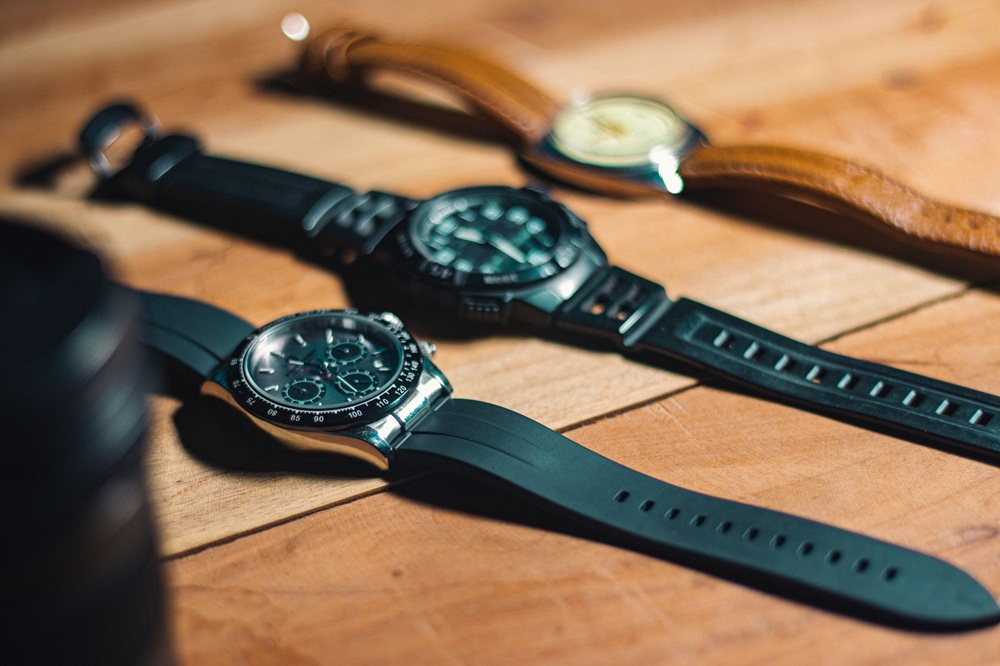
This is one of the reasons why so many people choose watches with a 20mm lug width. It is one of the most widely used sizes across the industry, giving owners access to a huge choice of replacement straps. Popular models from Omega, Tudor, Longines, Hamilton, Seiko and Tissot all use a 20mm lug width on many of their collections, making it easy to find a strap that matches both the watch and your personal style.
Owning several straps for one watch also makes practical sense. Instead of buying another watch simply because you want a different look, you can achieve a similar result by changing the strap. It is a straightforward way to keep a favourite watch feeling fresh throughout the year.
Getting More from Your 20mm Watch Strap
Choosing the right 20mm watch strapis about thinking beyond colour or material alone. The way a strap works with your wardrobe, daily routine and even the season can make a noticeable difference to how often you wear your watch.
Many people leave the original strap fitted for years because it feels familiar. While there is nothing wrong with that, changing the strap opens up far more possibilities. The same watch can feel completely different depending on what it is paired with.
For example, a simple stainless steel sports watch on a brushed metal bracelet has a clean, everyday look that works in almost any setting. Replace the bracelet with dark brown leather and it becomes more suited to business meetings or evenings out. Fit a navy rubber strap and the watch suddenly looks ready for a summer holiday or a day spent by the water.
The watch itself has not changed, but the impression it creates certainly has.
Matching Your Watch to Your Wardrobe
A watch is one of the few accessories that many people wear every day, so it makes sense to think about how it works with the clothes you wear most often.
If your wardrobe consists mainly of shirts, chinos and smart shoes, leather is usually the safest option. Black leather works well with formal clothing, while brown leather offers a slightly more relaxed appearance without looking casual.
If you tend to wear jeans, trainers and knitwear, suede or textured leather can feel less formal while still maintaining a quality finish. These materials work particularly well with field watches and vintage-inspired designs from brands such as Hamilton and Longines.
For people who spend a lot of time outdoors, rubber often makes more sense than leather. It is comfortable during warm weather, handles rain without concern and is easy to clean after a busy day. This makes it especially popular among owners of dive watches from brands like Seiko and Omega.
The important thing is choosing a strap that fits naturally into your lifestyle rather than one that spends most of its time sitting in a drawer.
Seasonal Changes Make a Difference
Many watch owners change their wardrobe with the seasons but never think about changing their watch strap.
During autumn and winter, darker shades such as black, dark brown and deep green often complement heavier clothing, boots and coats. Leather also tends to feel more appropriate during colder months because of its classic appearance.
As spring arrives, lighter colours begin to work better. Tan leather, grey suede and navy straps all pair well with lighter clothing and brighter days.
Summer is often when rubber straps come into their own. They cope well with heat, perspiration and water, making them an easy choice for holidays and weekends outdoors. Many people who normally wear leather for most of the year switch to rubber during the warmer months before changing back again in autumn.
These small changes help keep a familiar watch looking different throughout the year without requiring a completely new collection.
Don’t Be Afraid to Try Something Different
Many people automatically replace a worn strap with another that looks almost identical. While this feels like the safe option, trying something different often produces better results.
A watch that originally came on a black leather strap might look far more interesting on rich brown leather. A polished steel bracelet may feel lighter and more comfortable when replaced with canvas during the summer. Even changing the stitching colour can subtly alter the appearance without making the watch look out of place.
Some of the most attractive combinations are the ones people never expected to work until they tried them.
This is one of the advantages of buying replacement straps separately. You have the freedom to experiment without making a permanent change to the watch itself.
Comfort Should Influence Your Decision
Style matters, but comfort is what makes you reach for the same watch day after day.
If a strap feels stiff, traps moisture or does not sit comfortably on the wrist, you are less likely to wear the watch regularly. A well-made strap should feel secure without becoming uncomfortable after several hours.
Leather naturally softens over time, gradually adapting to the shape of your wrist. Rubber remains flexible from the beginning and is often preferred during warmer weather because it stays comfortable throughout the day. Metal bracelets offer a reassuring weight that many people enjoy, although getting the sizing right is important if you want the bracelet to sit properly.
The best-looking strap is not always the one that gets worn the most.
Paying Attention to Small Details
When choosing a replacement strap, small details often separate a good purchase from a disappointing one.
The quality of the stitching affects both appearance and durability. Well-finished edges help prevent premature wear, while a properly made buckle should feel secure every time it is fastened.
The finish of the leather also changes the overall look. Smooth leather creates a cleaner appearance, while grain leather adds texture and a slightly more casual feel. Suede offers something softer that works particularly well with vintage-inspired watches.
Colour is another detail worth considering carefully. Black is reliable and easy to wear with almost anything, but brown, navy, olive and grey each bring something different without becoming overly bold.
Taking a little extra time to think about these details usually results in a strap that continues to look right long after the initial purchase.
A Small Change That Keeps a Watch Feeling New
Many people become attached to a particular watch because it marks an important occasion or has been part of their daily routine for years. Replacing it is often the last thing they want to do, even if they fancy something different.
Changing the strap offers a simple alternative. It keeps the watch you already enjoy wearing while giving it a fresh appearance. It also allows you to adapt the watch to different occasions rather than limiting it to a single look.
For anyone with a watch that uses a 20mm lug width, the range of available straps makes this easier than ever. Whether you prefer leather for work, rubber for weekends or a metal bracelet for everyday use, there is no reason why one watch cannot cover all of those situations.
Instead of thinking of a replacement strap as simply replacing something that has worn out, it is worth seeing it as another way to enjoy the watch you already own. A well-chosen strap can make an old favourite feel different again, and sometimes that is all it takes to put it back at the front of the watch box.
What is your reaction to this?
 I liked it
 Wonderful
 Thanks
 Good
Good Hahaha !
 Incredible
 Interesting
 Wrong
Wrong