In an era where our daily routines are dictated by digital alerts and relentless schedules, finding a genuine sanctuary for physical and mental restoration has become a modern necessity. We often carry the weight of chronic stress in our muscles, leading to fatigue, tension, and a general sense of burnout. Reclaiming your vitality requires more than just a quick shower or a generic massage; it demands an immersive, holistic approach to wellness. This is where the profound benefits of a turkish bath come into play. Rooted in centuries of historical tradition, this unique bathing ritual offers a comprehensive reset for your entire system, blending intense heat therapy with deep physical exfoliation. By stepping into this timeless environment, you are not merely engaging in a spa treatment; you are participating in a proven method of detoxification and relaxation that has rejuvenated humanity for generations.
While contemporary spa culture often focuses on quick fixes and surface-level aesthetics, the ancient philosophies of communal bathing prioritize deep, lasting health. Today, discerning individuals are seeking out these authentic experiences to combat the side effects of modern living. Whether you are actively planning a wellness retreat or typing turkish hammam near me into your search bar for a local weekend escape, understanding the profound depths of this practice will drastically enhance your experience. In this extensive guide, we will delve deeply into the architectural brilliance, the physiological benefits, and the step-by-step journey of the hammam, empowering you to embrace this transformative ritual fully.
More Than Just Steam: The Philosophy of Communal Bathing
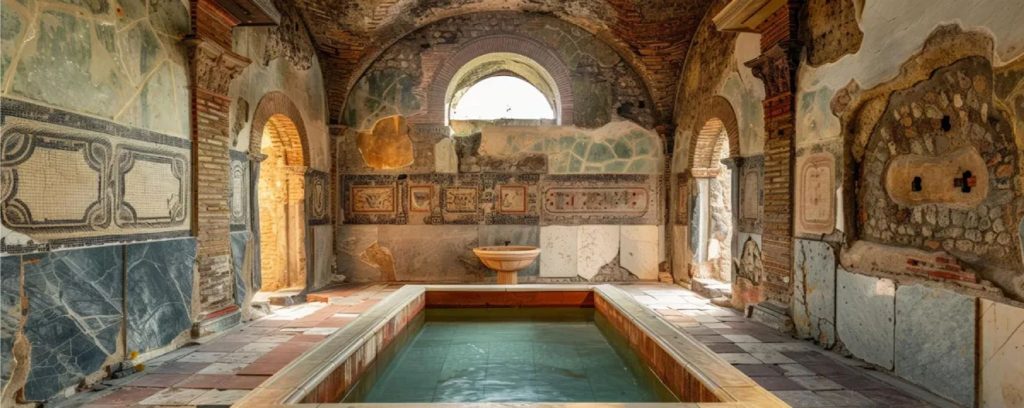
To fully grasp the magnitude of the experience, we must first trace its historical and philosophical lineage. The classic turkish hammam is a beautiful amalgamation of Roman bathing practices and Islamic traditions of purification. When the Ottoman Empire ascended, they adopted the Roman infrastructure of thermal baths but infused it with their own cultural emphasis on flowing water and spiritual cleanliness. Unlike the Romans, who often bathed in stagnant pools, the Ottomans preferred the continuous flow of fresh, hot water from marble basins, believing it to be a purer method of cleansing both the body and the soul.
Throughout history, these bathhouses were democratic spaces. They were essential civic centers where individuals from all walks of life—from common merchants to high-ranking officials—would gather. The environment fostered a sense of equality, as everyone left their worldly garments and titles in the changing rooms. The focus shifted entirely to communal well-being, social connection, and physical healing. Today, while we primarily visit these spas for personal wellness, that underlying philosophy of leaving your burdens at the door and submitting to a shared environment of healing remains a powerful psychological component of the ritual.
Decoding the Architecture: Designed for Healing
The physical structure of a traditional bathhouse is not purely aesthetic; it is a masterclass in thermodynamic engineering and sensory design. The architecture plays a critical role in how your body responds to the treatment. At the core of the design is the massive, domed ceiling. This architectural marvel is constructed to retain heavy steam while preventing condensation from dripping directly onto the bathers below. Small, star-shaped glass inserts in the dome allow natural, diffused sunlight to pierce through the mist, creating an ethereal, calming atmosphere that signals to your brain that it is time to relax.
The central feature of the main hot room, known as the sicaklik, is the gobek tasi, or navel stone. This large, raised octagonal marble platform is heated from beneath, usually by a complex system of flues channeling hot air from a central furnace. Lying on this heated stone is a foundational element of the therapy. The surrounding walls are lined with individual marble basins (kurnas) and brass taps, where attendants mix hot and cold water for the various rinsing phases. The acoustic properties of the marble and the dome amplify the soothing sound of splashing water, creating a natural white noise that drowns out external thoughts and induces a state of deep mindfulness.
The Anatomy of the Ritual: Step-by-Step Transformation
Embarking on this journey for the first time can be a revelation. The process is meticulously structured to guide your body through varying stages of heat, active exfoliation, and passive relaxation. Trusting the sequence and the expertise of your attendant is vital. Here is a detailed breakdown of what you will experience during a comprehensive turkish bath session.
The Acclimation and Warming Phase
Your session initiates in the camekan, a cool entrance hall where you undress and wrap yourself in a traditional peshtemal—a lightweight, highly absorbent cotton towel. From there, you transition into the iliklik, or warm room. This space serves as a thermal buffer, allowing your cardiovascular system to gently adjust to the elevated temperatures. You will spend time here hydrating and relaxing before moving into the main hot room. Once inside the sicaklik, you will lie flat on the heated navel stone. For the next twenty to thirty minutes, the radiant heat will penetrate deeply into your muscle fascia, causing your pores to open and your body to sweat heavily. This passive sweating is crucial for softening the outermost layer of dead skin.
The Transformative Kese Exfoliation
Once your body is fully prepped by the heat and steam, the active therapy begins. A trained attendant, known historically as a tellak, will use a kese—a specialized mitt woven from raw silk or natural plant fibers—to rigorously scrub your body. This is not a gentle polish; it is a firm, methodical exfoliation designed to strip away cellular debris. You will physically see the dead skin being rolled away, which, while surprising initially, is incredibly satisfying. This process effectively unclogs every pore, stimulates the lymphatic system, and brings a surge of oxygen-rich blood to the dermal layers, resulting in a vibrant, renewed complexion.
The Ethereal Olive Oil Soap Massage
Immediately following the intensive kese scrub, the attendant initiates the most luxurious phase of the ritual. Using a traditional cloth sack called a torba, they generate a massive volume of warm, fragrant foam from natural, castile-style olive oil soap. This thick cloud of bubbles is squeezed over your entire body, enveloping you in warmth and softness. The attendant then performs a deep, rhythmic massage through the slippery foam. The contrast between the abrasive, firm kese scrub and the silky, gentle foam massage creates a profound sensory experience that melts away the last remnants of muscular tension and leaves your skin impeccably clean and nourished.
The Final Rinse and Essential Cooling
The active treatment concludes with a series of warm water rinses from the copper bowls to wash away the foam. You are then carefully guided out of the hot room back into the cooling lounge. This transition is essential for your safety and comfort, allowing your core temperature to slowly normalize. You will recline on comfortable loungers, wrapped in dry towels, and be served traditional herbal teas and fresh fruit. This resting period allows your nervous system to stabilize and your skin to absorb the remaining moisture, cementing the profound sense of relaxation.
The Science of Sweat: Tangible Health Benefits
The enduring legacy of this practice is backed by tangible, physiological benefits. The controlled application of heat and rigorous physical manipulation offer advantages that extend far beyond a typical spa day. First, the intense heat therapy acts as a powerful cardiovascular stimulant. As your body attempts to cool itself, your heart rate increases, promoting excellent blood circulation. This enhanced circulation accelerates the delivery of oxygen and nutrients to damaged muscle tissues, making it a highly effective recovery protocol for athletes or those suffering from chronic joint stiffness.
Dermatologically, the profound exfoliation provided by the kese mitt fundamentally transforms the skin’s texture and function. By removing the dense layer of keratinized, dead cells, the skin’s natural barrier is stimulated to regenerate. This process can significantly improve conditions like keratosis pilaris, reduce the occurrence of ingrown hairs, and ensure that any subsequent hydrating treatments penetrate deeply into the epidermis rather than sitting uselessly on the surface.
Furthermore, the mental health benefits are undeniable. The immersive nature of the environment forces a complete disconnect from external stressors. The combination of thermal therapy, tactile massage, and the rhythmic sounds of water actively lowers cortisol levels and stimulates the parasympathetic nervous system. Many regular practitioners report a significant reduction in anxiety, an alleviation of depressive symptoms, and a marked improvement in overall sleep quality following a session.
Navigating Local Options: Finding Authenticity
As the demand for holistic wellness rises, many generic spas attempt to replicate these ancient rituals. If you are actively looking for a turkish bath near me, it is crucial to know how to identify an authentic, high-quality establishment that adheres to traditional standards and prioritizes hygiene.
When evaluating a potential spa, investigate their facilities. A true hammam experience requires a dedicated, heated marble stone, not simply a standard steam room with a massage table. The authenticity of the tools is also paramount; they should be using real kese mitts and high-quality, natural olive oil soaps, avoiding synthetic chemicals that can irritate freshly exfoliated skin. Reading detailed client reviews can provide excellent insight into the skill level of the attendants, as the technique and pressure applied during the scrub are critical to the success of the treatment.
Moreover, when you search for a turkish hammam near me, prioritize establishments that are transparent about their sanitation protocols. Because the environment involves high humidity, open pores, and communal surfaces, impeccable hygiene is non-negotiable. Reputable spas will gladly detail their cleaning procedures, ensuring that the marble surfaces, kurnas, and all tools are rigorously sanitized between every single guest.
Pro Tips for Your First Sanctuary Visit
Proper preparation will ensure you extract the maximum benefit from your investment in wellness. Hydration is the absolute cornerstone of preparation. Because you will undergo intense, prolonged sweating, you must drink significant amounts of water in the 24 hours leading up to your appointment. Entering the hot room in a dehydrated state can lead to dizziness, headaches, and a compromised ability to detoxify.
Dietary considerations are also important. Avoid consuming heavy, rich meals immediately before your session, as the heat can cause nausea if your body is actively trying to digest a large amount of food. A light, easily digestible snack a few hours prior is ideal. Additionally, refrain from shaving or waxing any part of your body on the day of your appointment. The intense friction of the kese scrub on freshly shaved skin can cause severe irritation, burning, and micro-abrasions. Allow your skin to be in its natural state to safely enjoy the deep exfoliation.
Mentally prepare to surrender control. The process involves being actively handled, washed, and scrubbed by a professional. Leave your modesty anxieties and daily stresses in the locker room. Communicate clearly with your attendant regarding your preferred pressure during the scrub, but otherwise, close your eyes, focus on your breathing, and allow the ancient ritual to do its profound work.
Frequently Asked Questions
Is it safe to use a steam room if I have respiratory issues?
While the warm, moist air can sometimes help open airways and relieve minor congestion, individuals with severe asthma, chronic bronchitis, or other significant respiratory conditions should proceed with extreme caution. The high humidity and dense steam can sometimes exacerbate breathing difficulties. It is strictly advised to consult with a qualified healthcare provider before engaging in any intense heat or steam therapies to ensure it is safe for your specific medical profile.
Can I wear my own bathing suit during the treatment?
In most modern, international spas, wearing a bathing suit bottom or the disposable underwear provided by the facility is standard protocol and entirely acceptable. Traditional bathhouses in their native regions may have different customs, often separating by gender and bathing nude or with only the peshtemal. Always check the specific dress code and etiquette guidelines on the spa’s website or call them directly when booking your appointment so you arrive fully prepared and comfortable.
How long should I wait before showering after the massage?
It is generally recommended to wait at least a few hours, or ideally until the next morning, before taking a full shower with modern commercial soaps. The traditional olive oil soap used during the foam massage leaves a highly nourishing, protective lipid layer on your freshly exfoliated skin. Allowing these natural oils to fully absorb will maximize the hydrating benefits and prolong that coveted, silky-smooth post-spa glow.
Is the rigorous exfoliation suitable for dry or aging skin?
Yes, it is highly beneficial, provided it is done correctly. As we age, our cellular turnover rate slows down significantly, leading to a buildup of dry, dull skin. The kese scrub manually removes this buildup, revealing the fresher skin beneath and stimulating natural oil production. However, communication is key. Inform your attendant if your skin is particularly fragile, thin, or dry, so they can adjust their pressure and use a gentler technique to avoid any micro-tears or irritation.
Embrace the Ultimate Reset
Committing to a holistic wellness routine is not a luxury; it is a vital strategy for maintaining balance in a demanding world. The comprehensive healing offered by this ancient practice goes far beyond physical cleanliness. It is a dedicated practice of shedding the old—both dead skin and mental fatigue—and emerging entirely renewed. By understanding the rich history, the precise rituals, and the immense health benefits, you can transform a simple spa visit into a profound personal retreat. Prioritize your ultimate well-being, explore the transformative power of ancient bathing traditions, and let Felicity guide you toward a more relaxed, radiant, and resilient version of yourself. Book your journey to absolute tranquility today.
What is your reaction to this?
 I liked it
 Wonderful
 Thanks
 Good
Good Hahaha !
 Incredible
 Interesting
 Wrong
Wrong